April 22nd, 2014

The idea for Earth Day was the brainchild of Gaylord Nelson, a senator from Wisconsin. He envisioned an Earth Day that would be a kind of environmental teach-in. The first Earth Day celebration took place on April 22, 1970, and a surprising 20 million people participated on that day. Ultimately, it became the largest organized celebration in US history.
Earth Day Over the Years
Over the years, the recognition of the day, and the number of people celebrating it all over the world, turned Earth Day into an international celebration. Because it is celebrated throughout the world, it is not only the largest international environmental observation, but it is also more widely celebrated than any other environmental event in the world. Today, Earth Day is celebrated in 175 countries where over 500 million people participate in celebrations.
The Earth Day Movement
The Earth Day movement is credited with developing the idea that people should “think green”. It encouraged congress to enact laws, including one that resulted in the creation of the Environmental Protection Agency. It also inspired the passage of the Endangered Species Act.
The Five R's and Their Importance
- Reduce – Reduce by avoiding unnecessary purchases. Reduce your use of materials that wind up in landfills. Reduce the use of chemicals around your house. Reduce your use of disposable bags, plates, cups, eating utensils, and batteries.
- Reuse – Instead of using plastic bags for your groceries or purchases, bring your own reusable bags. When you go to buy coffee at Starbucks, take a travel mug so you don't have to get your coffee in a disposable paper cup. Instead of storing food in disposable refrigerator containers, buy containers that can be washed and reused. Don't use regular batteries. Whenever possible, opt for rechargeable batteries that you can reuse.
- Recycle – Most cities offer a recycling program to collect used bottles, cans, and newspapers. Recycling includes collecting recyclable materials that would otherwise be considered waste, sorting and processing recyclables into raw materials such as fibers and manufacturing raw materials into new products.
- Re-buy – Make an effort to purchase things that are made through recycling. When purchasing furniture, look for items that are made from reclaimed wood. When buying paper for kids school work, computer printer paper, holiday cards, or anything else, make a point of purchasing recycled paper products. Instead of buying clothing at full retail price, shop for second hand clothing. You will save a lot of money by doing so!
- Rethink – Rethink the way you do things so that you do them in an eco-conscious way at all times. Instead of driving to work alone, consider taking the bus or going in a carpool. Walk or ride your bike when you're only going a short distance. Plan your shopping trips and errand runs so that you can do everything on one day, and do it in a way where you can save time and gas.
Other ways to "think green" include growing your own food, composting yard waste and food scraps, or by participating in local recycling programs. Join a group like Freecycle so you can share your unneeded and unwanted possessions with people who can use them. Likewise, you'll be able to get things you need or want for free.
Earth Day teaches people that the planet belongs to everyone, so everyone is equally responsible for protecting it. Although Earth Day is an environmental celebration, our team at Shipley Orthodontics wants to remind you that you don't have to wait until then to make changes that will allow you and your family to live a greener life.
Happy Earth Day from the team at Shipley Orthodontics.
April 15th, 2014
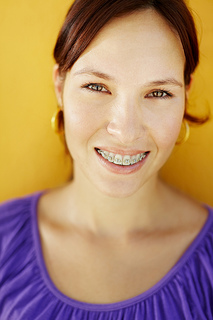
If you have been thinking about undergoing orthodontic treatment to straighten teeth or correct jaw alignment, the first step is scheduling an orthodontic consultation at Shipley Orthodontics. During the consultation we will actively listen to your concerns and address all of your questions, as well as discuss a treatment options that would best suit you or your child's situation.
Here are the top five questions that most patients want answered during their initial orthodontic consultation:
- Can I benefit from orthodontic treatment, and if so, how long will it take?
- How frequently will my appointments be scheduled?
- Can I expect any pain when getting braces? (Ask Dr. Thomas Shipley about the ways we address pain management).
- Will I need to have teeth extracted, headgear, expansion appliance, etc.?
- How much will it cost and what payment options do you offer?
Visit our website for more answers to your questions prior to your initial consultation. Dr. Thomas Shipley and our team at Shipley Orthodontics are happy to answer all your questions and concerns, and excited to explain all aspects of your treatment plan, as well as the expected outcome. We believe your orthodontic experience should be comfortable, hassle-free, and most importantly, leave you with the smile you've always wanted.
April 8th, 2014

You’ve taken the first step toward a healthier and more beautiful appearance by getting braces at Shipley Orthodontics, and you’re probably wondering what comes next. The first week is the period of biggest adjustment, and there’s a lot to learn in this short time. Don’t worry; in a few short days your braces will feel completely natural.
The first week
On the first day, your braces will probably feel very odd in your mouth; it will take time to get used to them. By the second day, you may feel some soreness or pain. If you are going to experience any pain, the second and third days are when it will happen. Most pain can be dealt with by taking an over-the-counter pain reliever, such as Tylenol.
What about sore spots?
Your cheeks and tongue are getting used to your new braces, just like your teeth are. You may develop sore spots where this soft tissue rubs against the harsh metal of your braces. The best way to avoid this and allow your mouth to heal is by covering the metal spot with orthodontic wax. Break off a small piece and roll it into a ball in your hands. Dry the metal of the braces with a cotton swab, then wrap the wax around the sharp spot to create a cushion.
What if they break?
Braces are held onto your teeth with special orthodontic glue. Once in a great while, part of your appliance may come loose from the surface of a tooth. This won’t harm anything; it will just be slightly inconvenient. Call our office right away and we will be able to glue the bracket back on.
Make sure you avoid hard items such as ice, brittle, and other hard candies, and don’t open packages with your teeth. These habits can contribute to braces popping off. Even fairly innocent-sounding items like popcorn or French bread can be a culprit, so avoid eating any hard foods, or cut them up into small pieces before consuming.
If you have questions about which foods to eat and avoid, or if your braces are more sore than expected, feel free to contact our Peoria, AZ office and ask Dr. Thomas Shipley and our team. We’re more than happy to help!
April 1st, 2014
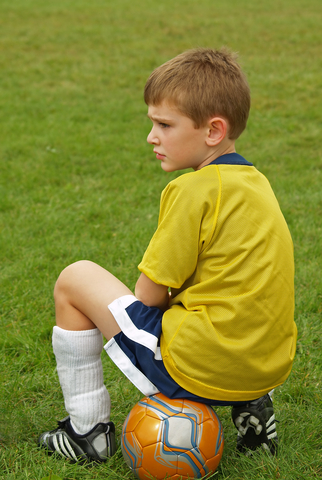
The Importance of Facial Protection
Americans from all walks of life should mark April as National Facial Protection Month on their calendars. The American Association of Pediatric Dentistry, Academy for Sports Dentistry, American Academy of Pediatric Dentistry, and American Association of Oral and Maxillofacial Surgeons have combined forces to sponsor this annual campaign, which aims to educate and remind us of the importance of protecting our face and teeth against impacts and injuries.
Wearing a helmet can save your life and prevent devastating physical damage in a variety of situations, from playing football to riding a bicycle. According to the American Association of Oral and Maxillofacial Surgeons, helmets reduce the risk of various head injuries by as much as 85 percent. Whether helmet laws apply in your area or not, Dr. Thomas Shipley and our team at Shipley Orthodontics want you to make sure you and your loved ones wear helmets with the appropriate safety ratings for specific activities. (A sticker on or inside the helmet will usually indicate this rating.) Helmets can also help save your teeth if they come with an attached faceguard, an essential addition for football players and others involved in contact sports.
Preventing Dental Injuries
A mouthguard can protect you against a variety of dental injuries, such as cracked, broken, or knocked-out teeth. The American Dental Association states that mouthguards play an essential role in preventing up to 200,000 dental injuries each year, and many states mandate their use for sports activities such as football and hockey. The Academy for Sports Dentistry warns, however, that these mouthguards must be custom-fitted as precisely as possible to prove effective. Have a professional-quality mouthguard molded and fitted by our team at Shipley Orthodontics for better protection than a generic store-bought or “boil-and-bite” variety can offer. These cheaper versions tend to wear out quickly, interfere with proper breathing, and provide uneven degrees of cushion against impacts. Always have a fresh mouthguard fitted for each new sports season.
Choose the right combination of helmet, faceguard, and mouthguard to protect your teeth and face this April, and tell your friends to do the same! To learn more about mouthguards, or to schedule an appointment with Dr. Thomas Shipley, please give us a call at our convenient Peoria, AZ office!
 Website Powered by Sesame 24-7™