Our Blog

Protecting Your Smile with Mouthguards

January 29th, 2025

If you participate in sports or other physical activities, it’s wise to consider getting a mouthguard. Also known as mouth protectors, mouthguards are a device worn over the teeth to lessen the impact of a blow to the face.

This reduces the chance that you might lose teeth or sustain other serious oral injuries. We recommend that all patients involved in a contact sport such as wrestling, football, or hockey wear a mouthguard because of the high risk of such injuries.

However, anyone involved in a physically demanding sport or activity should wear a mouthguard as well.

Can you imagine what it would be like to lose a few of your front teeth? The way you talk, eat, and smile would all change. Potential injuries when you don’t wear a mouthguard include chipped and broken teeth, fractured jaws, root damage, damage to crowns and bridgework, concussions, and/or injury to the lips, cheeks, or gums.

Types of Mouthguards

There are three different types of mouthguards — typically made of a soft plastic material or laminate. You can decide which works best for you in terms of budget, fit, and comfort.

  • Stock mouthguards are prefabricated to a standard size. They offer adequate protection, but you need to make sure you find one that fits properly and comfortably. Stock mouthguards are readily available at department stores, sporting goods stores, and online.
  • Boil-and-bite mouthguards are placed in boiling water to soften them, then into the mouth so they can conform to the shape of the teeth. Boil-and-bite mouthguards are more expensive, but offer a more customized fit than stock ones. You can find these in department stores, pharmacies, sporting goods stores, and online.
  • Custom-made mouthguards are created just for you by Dr. Thomas Shipley. These offer the best fit and comfort of all the options, but they are also the most expensive. Ask a member of our Peoria, AZ team for more information.

The American Dental Association says a good mouthguard should be easy to clean, fit properly, be comfortable, and resist tearing or damage. It shouldn’t restrict speech or breathing.

Still not sure if you need a mouthguard or which kind is right for you? Ask Dr. Thomas Shipley or one of our staff members for more information.

Pick the right electric toothbrush!

January 22nd, 2025

The electronic toothbrush has undergone several technological advances since the 1960s. Everything from design and bristle motions to rotation, oscillation, and sonic vibration has led to dramatic changes in this necessary tool over time.

Rotation oscillation happens when the head of the toothbrush rotates from one direction to the other. The benefit of powered toothbrushes is that they can produce 50,000 strokes per minute, compared to 300 strokes with a manual toothbrush.

When you’re thinking about brush head size, smaller brush heads are best for hard-to-reach areas and small mouths. Brush heads should be replaced every three to six months as needed. A good way to save money is to designate a brush head for each family member which can be taken on and off a shared base motor.

Having a base motor or rechargeable toothbrush can deliver enough power on a full charge for a week of brushing, which makes it convenient for travel or when life gets busy. Some toothbrushes include audible signals that let you know when to switch the area of your mouth you’re brushing or when a full two minutes has gone by.

Do you have sensitive teeth? Studies have indicated that people tend to apply more pressure on their teeth when they use a manual toothbrush. This makes an electric toothbrush a preferable option if you’re having issues with sensitive teeth or gums.

There are even electric models with pressure sensors that will stop the brush from spinning when you press too hard against your teeth!

Everyone can benefit from having an electric toothbrush. A large handle size can be taken into consideration if a member of the household is young, or has a physical disability or arthritis. They’re even recommended for children in order to maintain good oral hygiene from a young age.

Biofilm is a term used for plaque or debris that builds up in your mouth. If not properly addressed, this can cause serious bacterial infections to your gums and teeth. If you want to remove biofilm in the most efficient way, an automatic toothbrush is the way to go.

When you're ready to make your decision, make sure to consult with Dr. Thomas Shipley at our Peoria, AZ office to decide which electric toothbrush is right for you!

Avoid Brushing After Every Single Meal!

January 22nd, 2025

Here is some surprising yet worthwhile advice you might be hearing for the first time: Brushing after a meal can be incredibly bad for your teeth if you do it after eating certain foods.

Enamel is an extremely hard mineral on the exterior of each of your teeth. It’s actually the hardest substance in the human body: It’s even stronger than your bones! Its only weakness is that acids in the food we eat can easily destroy enamel.

Healthy teeth thrive in an environment that has the proper pH balance. That ensures your mouth doesn’t start the process of demineralization. That’s what happens when alkaline turns into acid, which attacks and softens the enamel on the surface of your teeth. Pores and fissures form, and that’s when the harmful bacteria go to work.

Our mouth’s pH level fluctuates depending on what we eat throughout the day. Examples of the most common highly acidic foods include citrus fruits, soda, and sugary foods. Highly acidic foods tip the balance of pH in your mouth from a healthy alkaline to a dangerous acid.

Can brushing your teeth immediately after a meal lead to even more damage? The answer is yes!

Eating highly acidic foods causes your teeth to be more susceptible. If you brush your teeth when they have been weakened by acids, even more destruction can happen to your enamel. Your toothbrush’s bristles will actually wear away some of your enamel. So it’s healthier to wait at least an hour after eating or snacking to brush.

Good preventive measures to take instead of brushing after you eat include:

  • Rinsing or drinking water
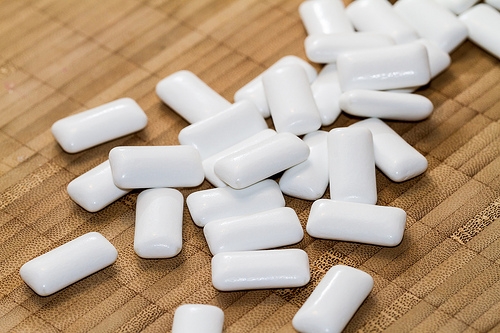
  • Chewing sugarless gum
  • Consuming dairy or non-acidic foods to conclude your meal

These practices help produce saliva, which in turn restores a healthy pH level in your mouth and coats the teeth with minerals they need.

Once you’ve allowed time for your mouth to be restored to a healthy pH level, you may brush your teeth as you normally would. Keep in mind that acidic foods can weaken the enamel on your teeth and take the right measures to prevent spiking pH levels.

Most important, don’t forget to wait to brush at least one hour after you eat!

Still have questions? Call our Peoria, AZ office and schedule an appointment with Dr. Thomas Shipley.

Periodontics and Braces Treatment

January 15th, 2025

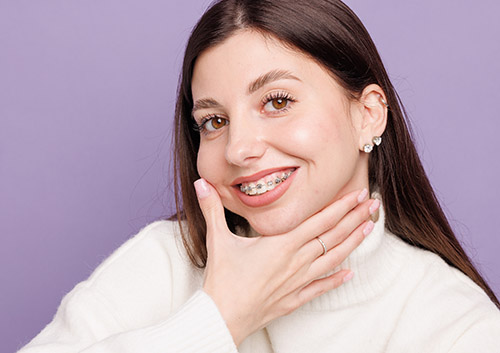
Most people think braces are all about their teeth. While it is true orthodontics is meant to move your teeth into proper position, there's more to it than that. To safely move your teeth with braces, you're going to need healthy and stable gums (or periodontium—the tissues that support your teeth).

For this reason it's critical to have your periodontal health evaluated prior to getting braces. This applies particularly to adults, since a 2013 study by the Center For Disease Control found that an estimated 47.2% of adults 30 years of age and older had periodontitis (gum disease). If you do have periodontitis, moving your teeth with braces will only make things worse.

Conversely, there is also risk for periodontal disease if you don't get orthodontic treatment. Malocclusion, as well as crooked and spaced teeth, can all contribute to periodontal disease. In these situations your teeth and gums are more difficult to clean and become breeding grounds for disease causing bacteria. Bad oral hygiene combined with these traits can greatly contribute to the development of periodontitis.

So, periodontics and braces have a tricky relationship. On one hand, you shouldn't get braces if you show signs of developing or have periodontitis, while on the other hand, braces can help prevent the possibility of developing periodontitis by correcting the bite and straightening the teeth.

If you are 30 years of age or older and are considering getting braces, it would be wise to first:

  • Let Dr. Thomas Shipley know about your desire to get braces
  • Get an exam to make sure you're in good periodontal health and a good candidate for braces
  • If you are a good candidate, keep an eye on your teeth and gums and get regular dental checkups throughout your entire course of treatment.

If you are in any doubt about the status of your teeth and gums, it's always best to get them checked before embarking with braces treatment. For more information or to have your periodontal health assessed for braces treatment, please contact our Peoria, AZ office.

Top