December 24th, 2013

Thanks for asking! It really depends on the dental age of the patient rather than their chronological age. Usually a good time to have your child evaluated by an orthodontist is after the front permanent teeth have erupted into the mouth or if there appears to be extreme crowding of the teeth.
The American Association of Orthodontists recommends that children between the ages of seven and nine should be evaluated by an orthodontist. There are times when an early developmental treatment is indicated to correct situations before they become major problems. In these circumstances the patient will most likely benefit from a second phase of orthodontics when all of their permanent teeth have erupted.
Most full orthodontic treatment begins between ages nine and 14, and lasts from one to three years, with two years being the average. It’s important, however, that children be screened at an early age for Dr. Thomas Shipley and our staff to assess if your child can benefit from orthodontic treatment and when treatment should begin.
We hope this helps, and invite you to give us a call if you have any questions about your child’s treatment at Shipley Orthodontics.
December 17th, 2013

While everyone understands that a dentist takes care of teeth, not everyone is aware of what an orthodontist does. This confusion sometimes leads to misunderstandings about what Shipley Orthodontics does for our patients and how exactly Dr. Thomas Shipley can help them. Let’s take a closer look at a couple of the myths and misconceptions about orthodontists.
Perhaps the biggest misconception about the orthodontist is that they’re just like your family dentist. The truth is, they’re actually very different. While it’s true that both orthodontists and dentists care about helping you enjoy a lifetime of good dental and oral health, orthodontists go about achieving this goal in different ways. For instance, if you need to have a cavity filled, you probably won’t make an appointment to see an orthodontist. Dentists are the health professionals to see if you’re concerned about a cavity or need a filling. A dentist can also treat gum disease, tooth decay, toothaches, and other common oral health problems.
People see an orthodontist for very particular services. Most of the patients we see on a daily basis are here because they have braces, or they need to be fitted with braces or another form of tooth-straightening device. In other words, they consult an orthodontist when they are concerned about the alignment of their teeth. As a child grows up, his or her teeth may come in crooked. This can happen for a number of reasons, so it’s important for an orthodontist to take a look at a child’s teeth at about seven years of age. At that age, it’s possible to detect any problems that have not become too advanced to treat easily. Your family dentist may also refer your child to an orthodontist once the adult teeth have fully grown in.
Another common misconception about orthodontists is that they only treat children. It’s true that when you visit an orthodontic clinic you’re apt to see a lot of young kids, but you’ll also see teenagers, college students, and adults. Because crooked teeth can be caused by a number of different factors, it’s entirely possible for someone to require orthodontic treatment at any age.
If you want to know more about the practice of orthodontics or what your orthodontist can do for you, then simply ask Dr. Thomas Shipley. It’s best to get answers to your specific questions directly from the person who will be treating you. While you’re sure to find Internet resources helpful, there really is no substitute for the personal attention you’ll get during your appointment at our Peoria, AZ office.
December 10th, 2013

One exciting part about wearing braces from Shipley Orthodontics is getting to choose the colors of your rubber bands. Orthodontists place elastic bands, or ligatures, over each bracket to secure the archwire in place. These rubber bands may be individual or connected, depending on your mouth’s needs. From Dr. Thomas Shipley, you have the option of choosing the color of your elastics, which are changed about once every month at every visit. Our offices keep a color wheel handy to help you choose which ones suit you best!
Children and teens often enjoy picking different colors each month to express their creativity and coordinate their braces with outfits. Decorating your mouth with your favorite colors is fun for kids and takes some of the stress out of wearing braces. Adults who wish for subtlety have color options that blend in with the metal brackets and archwire. Common choices for adults include silver, clear, and gray tones.
Common Color Combinations for Rubber Bands
With individual ligatures for each bracket, you may choose different color combinations for special events. You can have alternating colors or place an entire rainbow over your teeth. Here are a few options to consider:
- School spirit colors
- Favorite sports team colors
- Patriotic colors
- Holiday themes
Some patients choose only one color to match their mood, personality, or favorite outfits. The palette of choices allows you to make bold statements with your braces or go for subtler tones that blend in with the metal structures. Keep in mind that bright colors make your teeth look whiter, while lighter shades, such as yellow and white, may cause your teeth to appear less bright.
What Your Rubber Band Color Says About You
- Red tones indicate that you are ready for action and take charge of your life with aggressive, forward-thinking steps.
- Blue tones are calm and relaxing. You are conservative and exhibit integrity when dealing with situations.
- Green tones represent growth and balance. You are level-headed and look for opportunities to grow emotionally and spiritually.
- Purple tones attract creative energies. You like to have fun and use your imagination in every aspect of your life.
- Orange tones indicate that you are optimistic and thrive in social situations where communication is open.
- Pink is a romantic color that represents a caring personality. You also enjoy having fun with silly games and endless laughter.
December 3rd, 2013
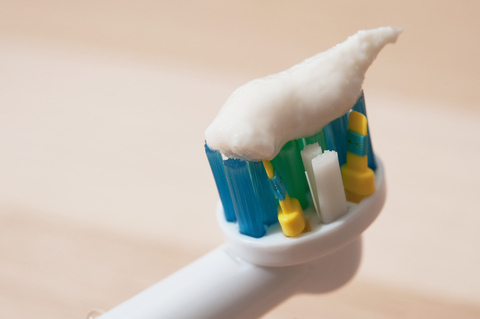
Our team at Shipley Orthodontics knows that there are many ways you can protect your pearly whites throughout your orthodontic treatment. If you follow the rules and brush your teeth twice a day, floss often, and protect your appliances from damage, you should have a successful treatment.
But did you know there’s another way to keep your teeth sparkling and healthy during your time wearing braces?
Fluoride, the mineral that helps you prevent cavities and tooth decay, can also help keep your teeth strong. Fluoride comes in two varieties: topical and systemic. Depending on your oral health or the recommendation of Dr. Thomas Shipley, you may be required to have a fluoride treatment every three, six, or 12 months. We may also prescribe a fluoride product such as a mouthwash, gel, or antibacterial rinse for at-home treatment to keep your teeth happy in between visits.
If you have any other questions about fluoride or your treatment, please don’t hesitate to give us a call!

 Website Powered by Sesame 24-7™